
Safe chicken storage and handling in the restaurant
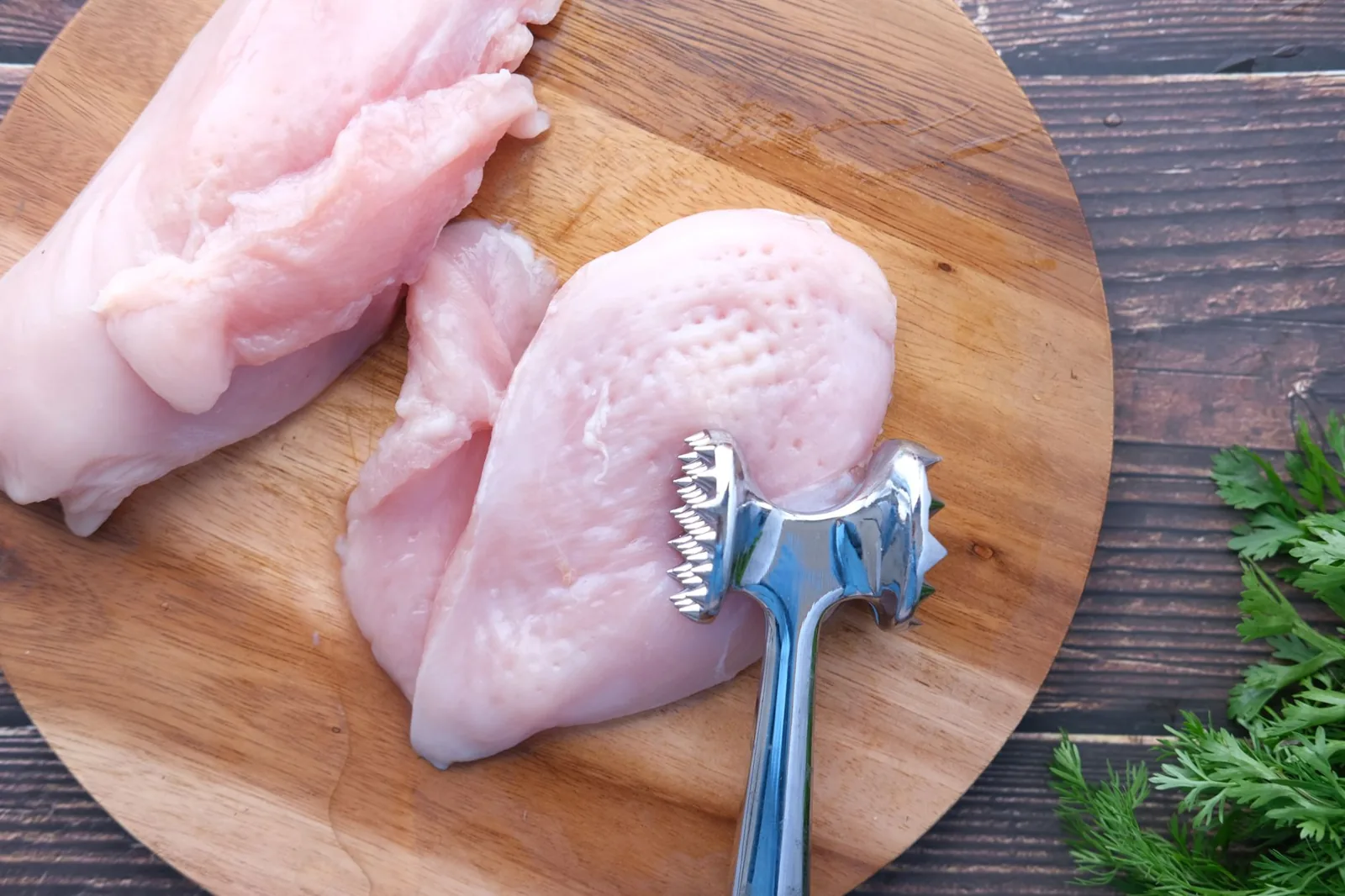
Correct storage and handling are what turn a good product you bought into a safe dish for the customer — or into a source of risk and waste if neglected. Raw chicken is one of the foods most sensitive to temperature and contamination, so it needs a clear system that starts the moment it's received and doesn't end until it's cooked. This lesson gives practical steps that protect chicken quality and safety and cut waste in your kitchen.
Receive and store immediately#
Don't leave chicken out of refrigeration after receiving. Check the temperature, packaging and expiry date first, then move it straight to its dedicated storage. Every minute out of refrigeration raises risk and shortens shelf life.
Tip: fresh chicken is kept at 0–4°C and frozen at −18°C or below. Post these numbers in front of your team and log the readings daily.
Organising fridges and freezers#
- Always place raw chicken on the bottom, away from ready-to-eat foods to prevent juice drips.
- Apply first-in-first-out: the oldest at the front to be used first.
- Don't overpack the fridge; leave space for cold air to circulate freely.
- Label every container with the receiving or prep date to track shelf life.
- Assign clear zones: raw separate from cooked and prepared.
Temperatures and monitoring#
Regular monitoring catches a fault before it affects the product. Make temperature checks a documented daily routine, and fix any deviation immediately before it turns into a full loss of the batch.
- Measure fridge and freezer temperatures at the start and end of each shift.
- Keep a written or digital log of the readings.
- Spot-check the product itself, not just the surrounding air.
- Have a clear contingency plan if refrigeration fails.
Avoiding cross-contamination#
- Use cutting boards and tools dedicated to raw chicken (a colour-coding system helps).
- Wash surfaces and hands thoroughly between every task.
- Never mix raw tools with ready-to-eat tools.
- Store raw and ready-to-eat in separate, covered areas.
Tip: separating raw from ready-to-eat is the first line of defence against food poisoning; a single mistake here can cost your whole restaurant's reputation.