
Calculating chicken yield and cutting waste
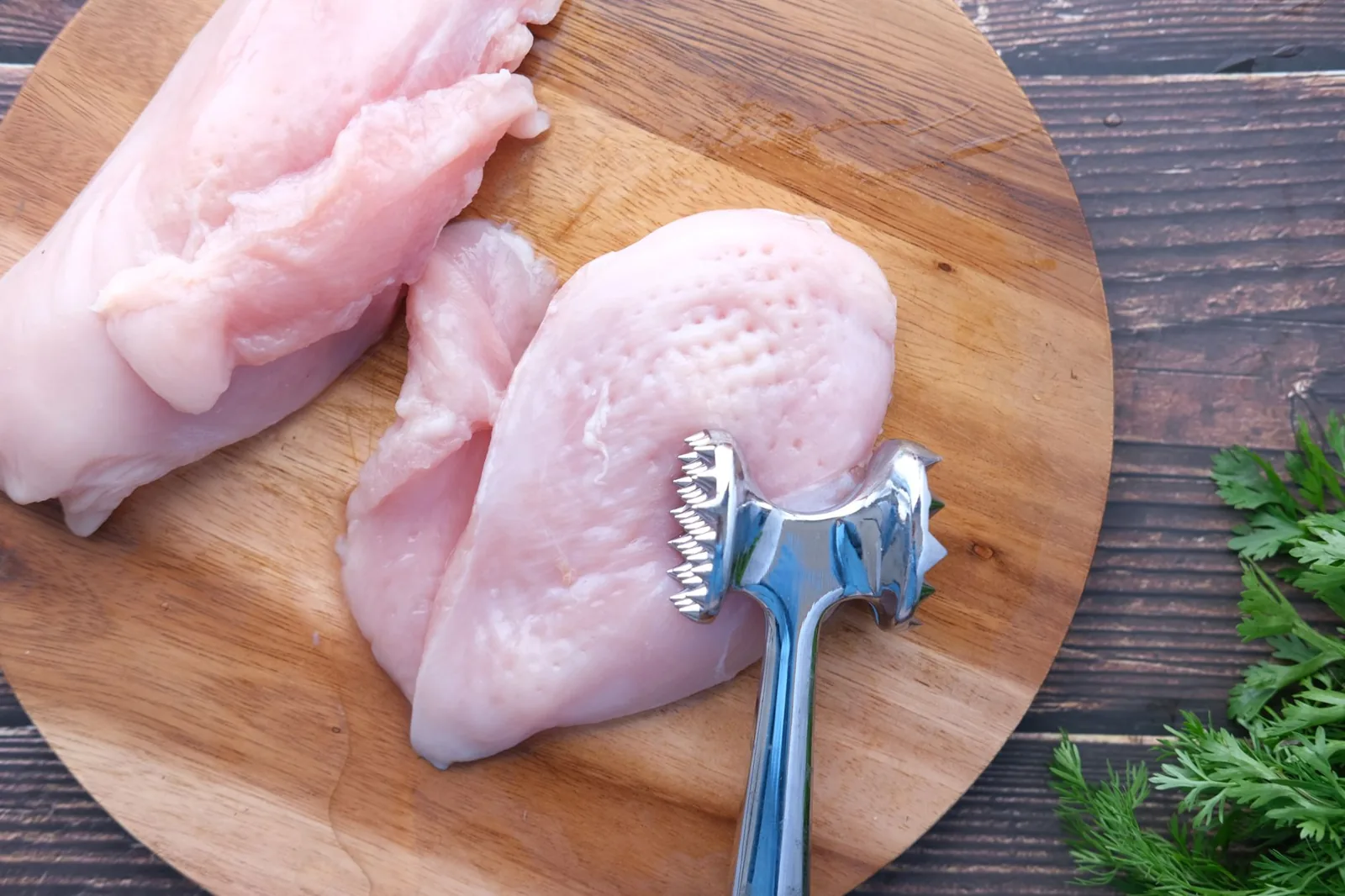
Every restaurant pays for a full weight of chicken, but only part of that weight ever reaches the customer's plate. The gap between the two — yield and waste — is where profit quietly leaks away. In the costing lesson we focused on pricing a portion on its net weight; this lesson completes it from the other side: how to actually measure yield yourself, where the weight is lost along the way, and how to recover value from what you used to throw out.
Where does the weight go?#
Before you can cut waste you have to know its sources. Chicken loses weight at four points: preparation (deboning, skinning, defatting and trimming), cooking (moisture loss and shrinkage), over-portioning (servings larger than the standard), and spoilage (product binned from poor storage or expiry). Each point shaves a share off the weight you paid for, and fixing it starts with measuring it.
Yield from a whole bird#
As a rough rule, a whole chicken gives about 60–65% of its weight as usable meat once deboned, dropping to around 60% if the skin is removed too. The breast is roughly a third of the meat, followed by the thighs and legs, with the rest bone, skin and fat. These are indicative figures that vary by bird size, breed and how it is cut, so don't build your numbers on a generic figure — measure the yield in your own kitchen.
An item with a higher yield can be genuinely cheaper despite a higher price per kilo, because more of it reaches the plate. Always convert the comparison to cost per usable kilo, not the sticker price — the full arithmetic is in the costing lesson.
The yield test: measure it yourself#
The butcher's yield test is a simple tool that gives you your real number instead of a guess. Repeat it for each item, supplier and purchase format (whole, cut, bone-in breast, trimmed fillet):
- Weigh a known raw quantity of the same item (e.g. 10 kg).
- Cut and trim it exactly as you do in real service.
- Weigh the usable meat, then weigh the bone and trim separately.
- Yield % = usable meat weight ÷ raw weight × 100.
- Re-run the test when the supplier or purchase format changes, and log the results to compare.
Cooking shrink#
Yield doesn't stop at prep; cooking itself takes an extra share of weight. Chicken loses about 20–30% of its weight while cooking — roughly a quarter for a grilled breast — and most of that loss is moisture, per USDA cooking-yield data. Dry heat (grilling, searing) shrinks more than moist heat (poaching, slow cooking). Factor this shrink in when you set the raw portion weight, so the customer receives the cooked weight you promised.
Cook a test portion and weigh it after cooking to set your raw portion size from it. And don't overcook chasing colour: going past the 74°C internal safety point adds no safety — it only increases shrink and dries the product out.
Turn waste into value#
Some loss is unavoidable, but much of it can come back as value instead of going in the bin:
- Bones and carcasses: a rich stock that becomes a base for soups and sauces, extracting protein and collagen instead of binning them.
- Clean meat trim: secondary items such as shawarma, fillings and stir-fries.
- Use the whole bird across the menu: breast for grills, thigh for slow-cooked dishes, bones for stock.
- Portion by weight or a standard scoop to stop silent over-portioning.
- Date, label and rotate stock first-in-first-out (FIFO) to cut spoilage.
A weekly waste-control routine#
- For one week, log everything binned and why (prep, overcooking, spoilage, returned plates).
- Identify the top two or three causes of loss and tackle those first.
- Standardise cut and portion sizes to fix yield and reduce variance.
- Assign bones and trim to a specific menu item instead of leaving it to chance.
- Re-measure yield whenever the supplier or purchase format changes.
You can't reduce what you don't measure. A single week of waste logging usually reveals that most of it comes from just one or two causes, and fixing those gives the biggest impact for the least effort.
Yield and waste are a small daily discipline that compounds: every percentage point of yield you gain, and every kilo you rescue from the bin, goes straight to your margin. Pair it with the costing lesson to turn these numbers into a price that protects your profit.