
Costing chicken dishes and controlling cost
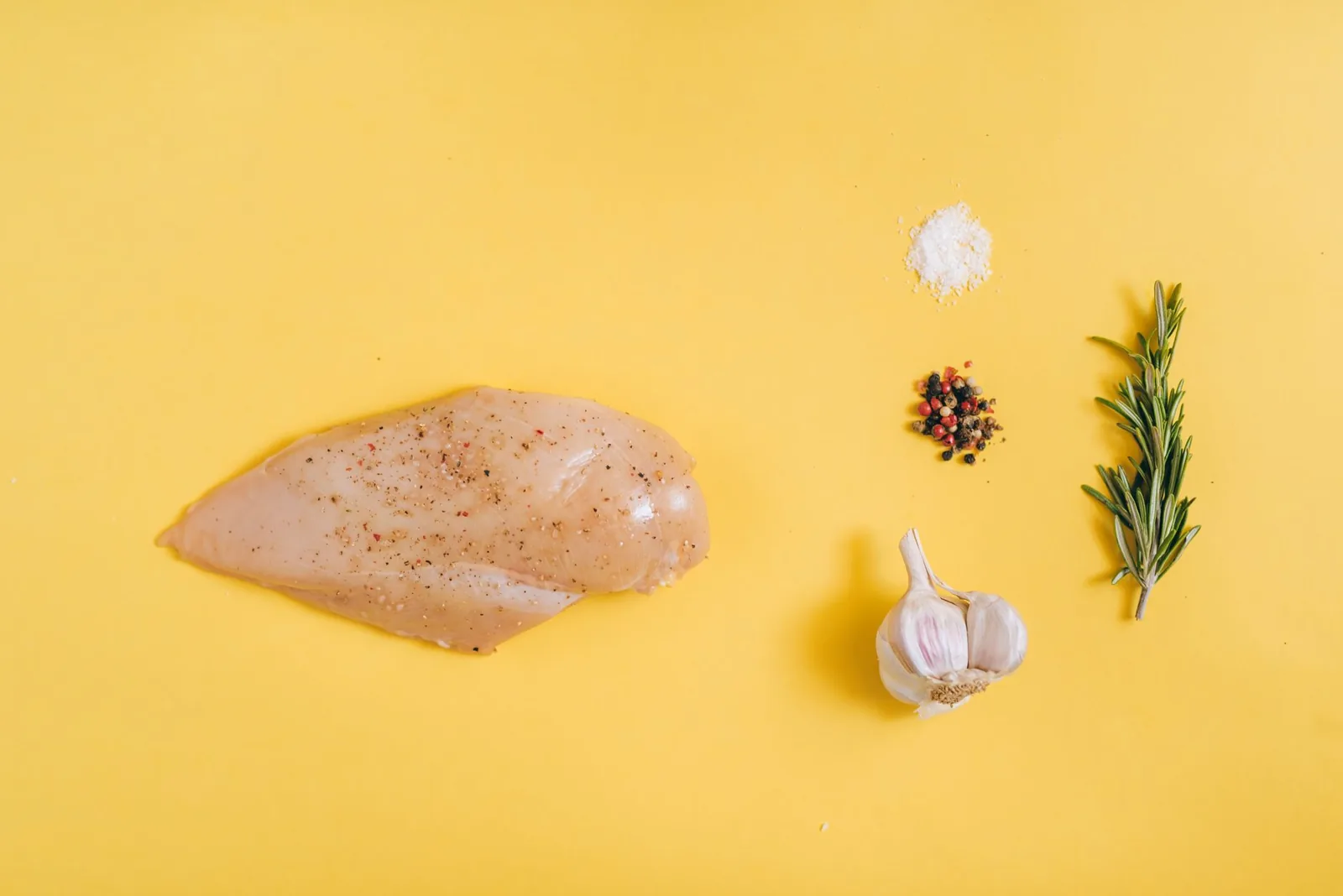
Restaurant profit isn't built on raising prices, but on knowing your true cost precisely and then pricing above it with a healthy margin. Many restaurants lose money quietly because they cost a chicken dish on raw weight, while the weight that actually reaches the customer's plate is far lower after trimming and portioning. This lesson shows how to calculate the real portion cost and set a price that protects your margin.
Why net weight is the basis#
Chicken weighs less after deboning, skinning and trimming, and that difference is what makes the true cost higher than you think. The yield ratio is what remains usable from the raw weight, and it's the basis of any sound cost calculation.
Illustrative example: if you buy raw chicken with a 70% yield, every usable kilo costs you the raw price per kilo divided by 0.7 — about 43% more than the apparent purchase price.
How to calculate yield in practice#
- Weigh a known raw quantity (e.g. 10 kg of the same item).
- Trim and portion it exactly as you do in real service.
- Weigh the usable part after trimming.
- Divide net by raw weight to get the yield ratio.
- Usable-kilo cost = raw price per kilo ÷ yield ratio.
Setting the selling price and margin#
Once you know the portion cost, set a price that covers the cost and operating expenses and yields sustainable profit. Don't rely on a single number; balance several factors:
- The target food-cost % your restaurant operates on.
- Operating expenses (labour, rent, energy) the price must cover.
- Competitor prices and the value the customer perceives in your dish.
- Relative price stability to avoid confusing customers with frequent changes.
Regular review and reducing waste#
- Review pricing whenever supply prices change so your margin doesn't quietly erode.
- Standardise cut sizes to fix portion cost and reduce variance.
- Track your waste ratio weekly and address its causes.
- Compare items on finished-portion cost, not raw price per kilo.
Tip: an item with a higher yield can be genuinely cheaper despite a higher sticker price. The smart decision is built on the final portion cost.